Production - The Gentlemen’s Brewing Collective
Location and working with “Actors”.
I learnt how to be an adaptable when capturing an unpredictable environment. I told the “actors” that I would focus on their interviews. This meant that the rest of the B-roll footage was all unplanned moments I captured throughout the night. I learned how to capture the moment of unpredictable “actors”, remembering to make sure my camera settings were correct, and make sure that my composition was how I wanted it to be.
The filming locations were very cramped, meaning that it was hard to capture any moments from a distance or without feeling like I was uncomfortably close to someone’s face with the camera and gimbal. It also meant that shots would eventually become repetitive as I couldn’t often find new and different angles to shoot from.
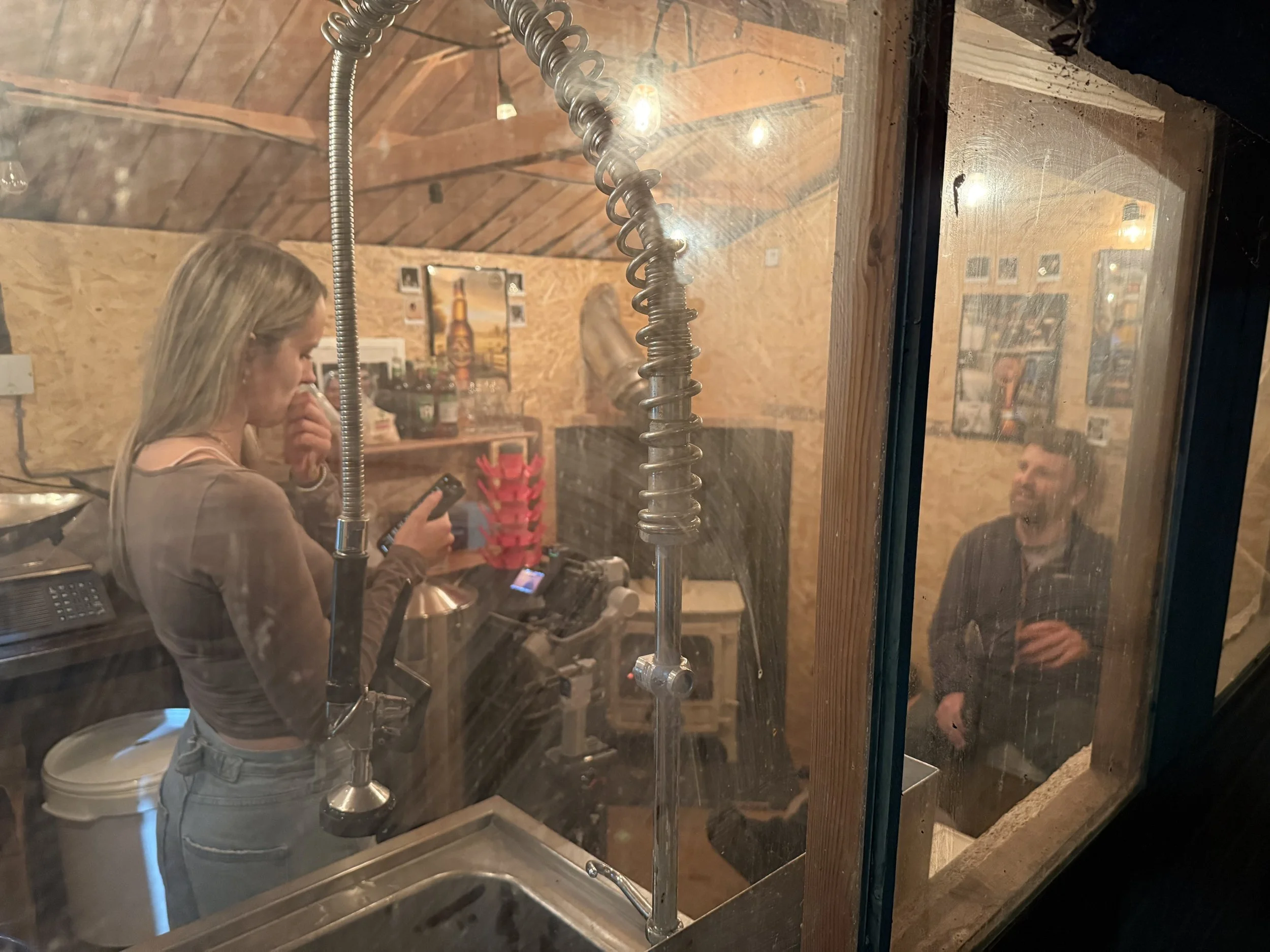
Cramped filming
The photographs make the brewery look large. It is a 3m by 4m shed, filled with brewing equipment, a wood burning stove, and seven men brewing beer.
Equipment and Cinematography Choices
This film was shot on a Sony ZV-E1 using a 35mm lens. I used a gimbal when recording B-roll footage and a tripod when recording the interviews.
I used the gimbal to capture B-roll footage because I wanted to convey a sense of being present in the brewery. The gimbal allowed me to capture spontaneous moments that would immerse the audience within the brewery’s lively atmosphere without the distraction of camera shake. I used a tripod for the interviews to convey a sense of formality, creating a visual tone difference between interviews and natural interactions between the men within the brewery.
Lighting
Lighting was incredibly challenging. Since the Brewery was a tight space, it meant I relied on harsh, bright, practical lights and the fairy lights in the shed. This made white balance a lot harder to match perfectly across each shot. Due to the faulty wiring of the brewery and the electricity needs of the brewing equipment, the lighting conditions frequently changed. You may notice a flicker in the lighting during some of the interviews. This was caused by the heating element in the brew kettle pulsing to keep the wort at the right temperature. This is good for the beer, but not great for filming.
Poor lighting adds to the informal charm of the location. If I were to do more formal interviews, I would have film lights as it would allow the interviews to look more consistent across “actors”.
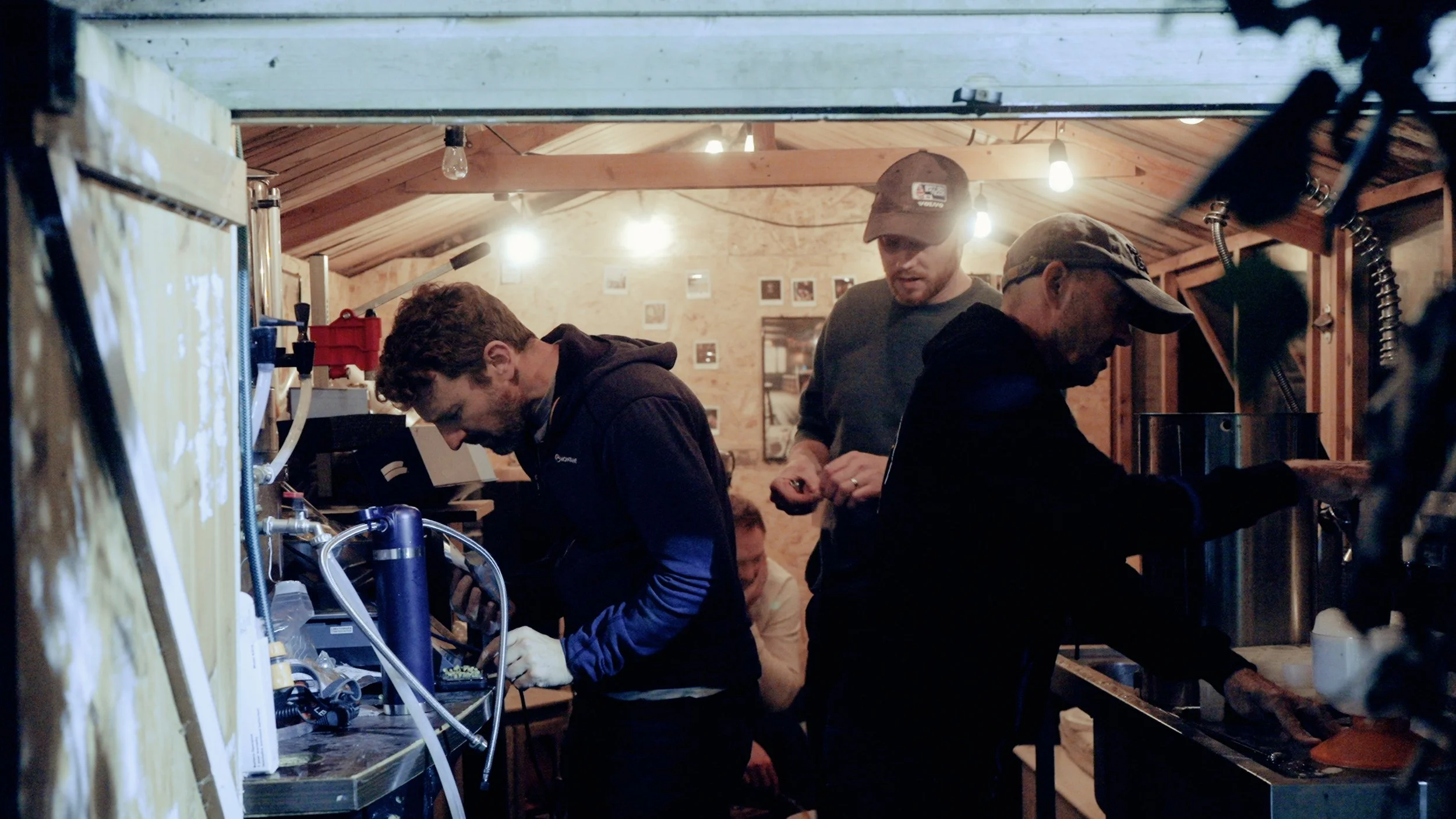
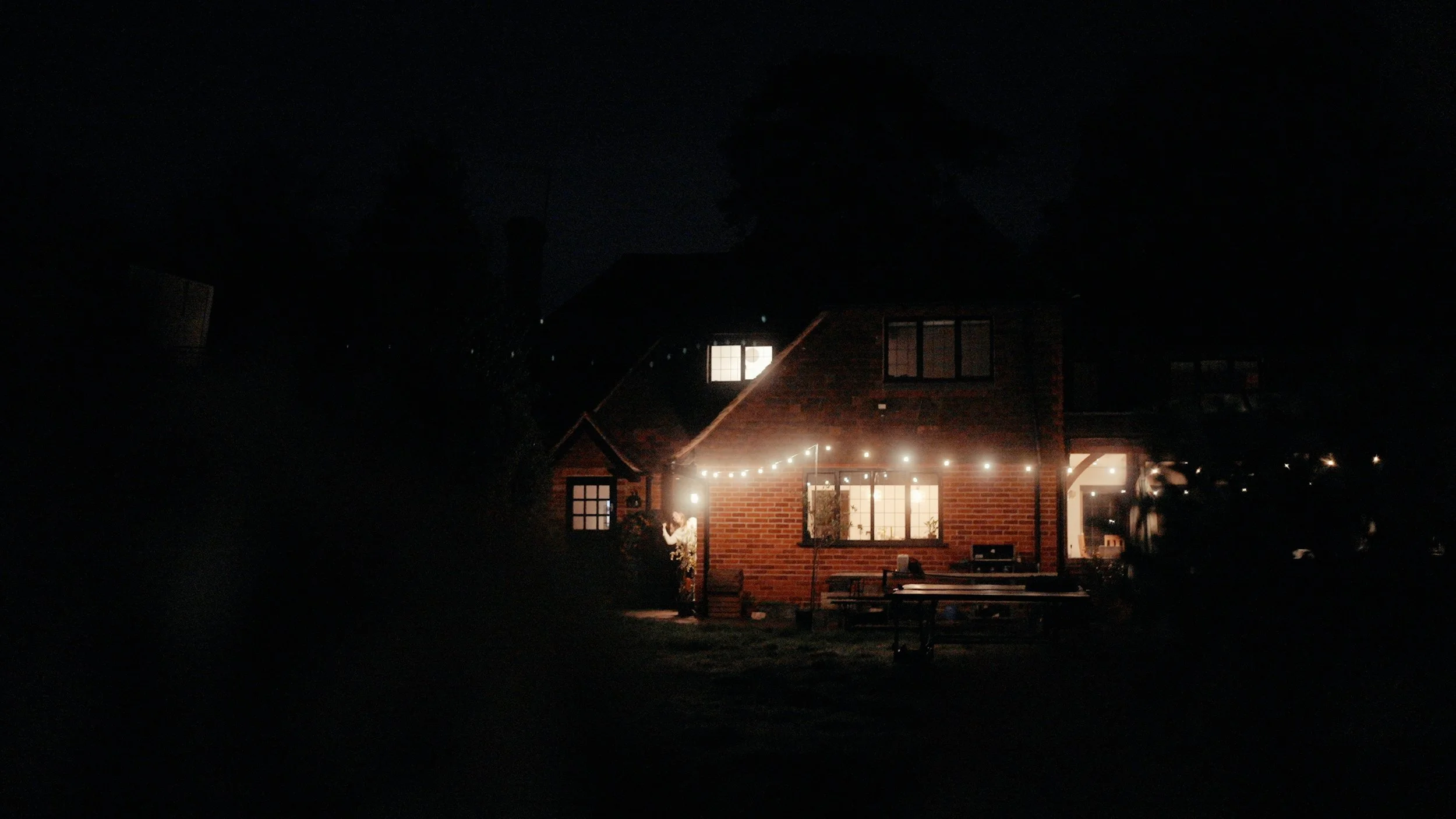
There was different lighting inside the brewery, compared to the lighting outside of the brewery. I made the mistake of keeping my camera set to auto white balance. This made colour correction fairly tricky in post production.
I had a script for the beginning and the end of the film. However, as I wanted to create an authentic-looking documentary-style film, I wanted to capture the “actors” natural, improvised responses. To guide the middle of the story, I created a list of questions that would hopefully solicit cohesive responses.
I found this type of filmmaking to be thrilling as I had no idea as to what kind of responses I would get or how the story would unfold. Even after finishing filming for the evening, I had no idea if I would be able to create a clear narrative arc.
I had to learn how best to adapt my interview technique in how I responded to the “actors” being interviewed. Some seemed to embody a character, whilst others seemed to share their genuine reflections on the brewery. I gave very little direction to the “actors’ as to the kind of responses I was looking for, which I believe made the film feel more authentic for the viewer.
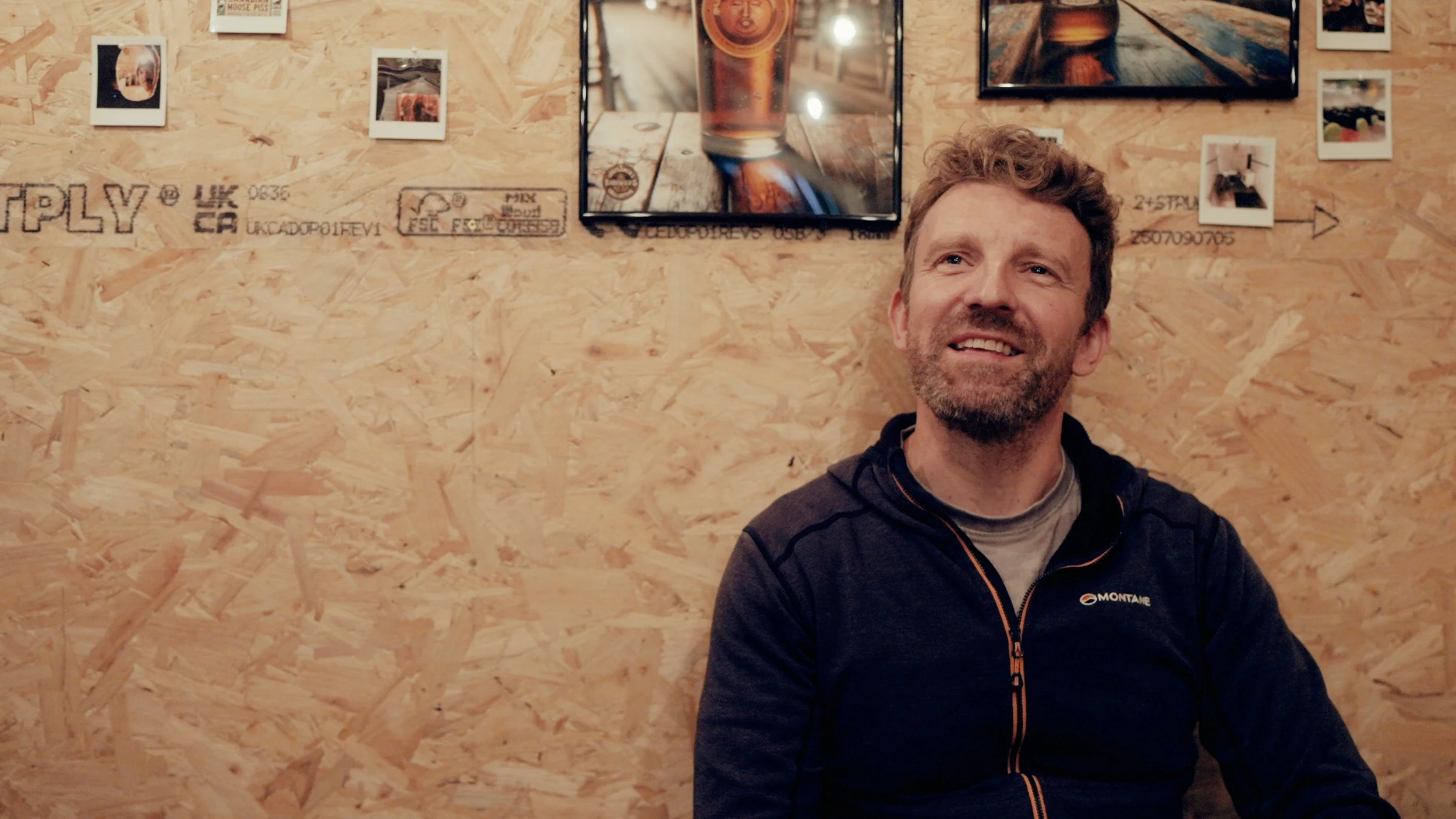
Interviews
Some of the “actors” felt more comfortable in front of the camera, whilst others needed time to settle within the interviewing process. I had to adapt to these different temperaments.
Re-recording Audio
A challenge I faced with the audio is that Andi’s whistle near the end of the movie spiked the lavalier mics, meaning that any audio input after that moment was compromised.
This meant that I had to re-record some of the audio after that point. Luckily, I was using two lavalier mics, and due to the small space in the brewery, audio from the uncompromised channel was still usable. I then duplicated the single channel to make the audio sound natural. The whistle had to be re-recorded.